Business Setup ServicesCompany Formations & Compliance
+971 50 467 2848
UAE Emerges as Global Greenfield FDI Magnet — Outperforming Its Size and Diversifying Fast
2024 | UAE Investment
The United Arab Emirates has transformed itself into one of the world’s most effective magnets for greenfield foreign direct investment (FDI), dramatically outperforming expectations based on the size of its economy. Investors, policymakers and entrepreneurs alike are taking notice: the UAE’s recent FDI performance is the most tangible proof yet that the country’s strategy of diversification, regulatory reform and targeted incentives is working.
A striking measure of success has been the UAE’s performance on the Greenfield FDI Performance Index. The country has consistently secured a volume of greenfield projects far in excess of what its GDP alone would predict — attracting investments across manufacturing, technology, logistics, renewable energy and advanced services. This exceptional outcome is the product of several coordinated dynamics: strategic policy reforms, expanded free-zone networks, improved market access via trade agreements, and a focused national investment strategy with concrete numerical targets.
Policy reform lies at the heart of this achievement. Over the last few years, the UAE introduced landmark measures that shifted the investment calculus in favour of foreign capital. Key changes such as 100% foreign ownership in most sectors, long-term investor visas, streamlined licensing and an active effort to digitize government services have removed traditional barriers. These reforms are complemented by a government narrative that actively courts global capital — offering clarity on tax rules, modern corporate governance standards, and clear roadmaps for priority sectors including green energy, advanced manufacturing and digital services.
Free zones remain an indispensable pillar of the UAE’s FDI success. Dozens of specialised free zones — spanning logistics, media, finance, healthcare and technology — offer plug-and-play infrastructure, attractive fiscal terms and simplified operations. Free-zone entities enjoy full foreign ownership, repatriation of profits and competitive operational costs. For greenfield projects, this translates into a low friction pathway to begin operations, test new markets and scale rapidly. Moreover, many free zones now offer hybrid solutions — linking free-zone advantages with mainland market access — which further expands investor choices.
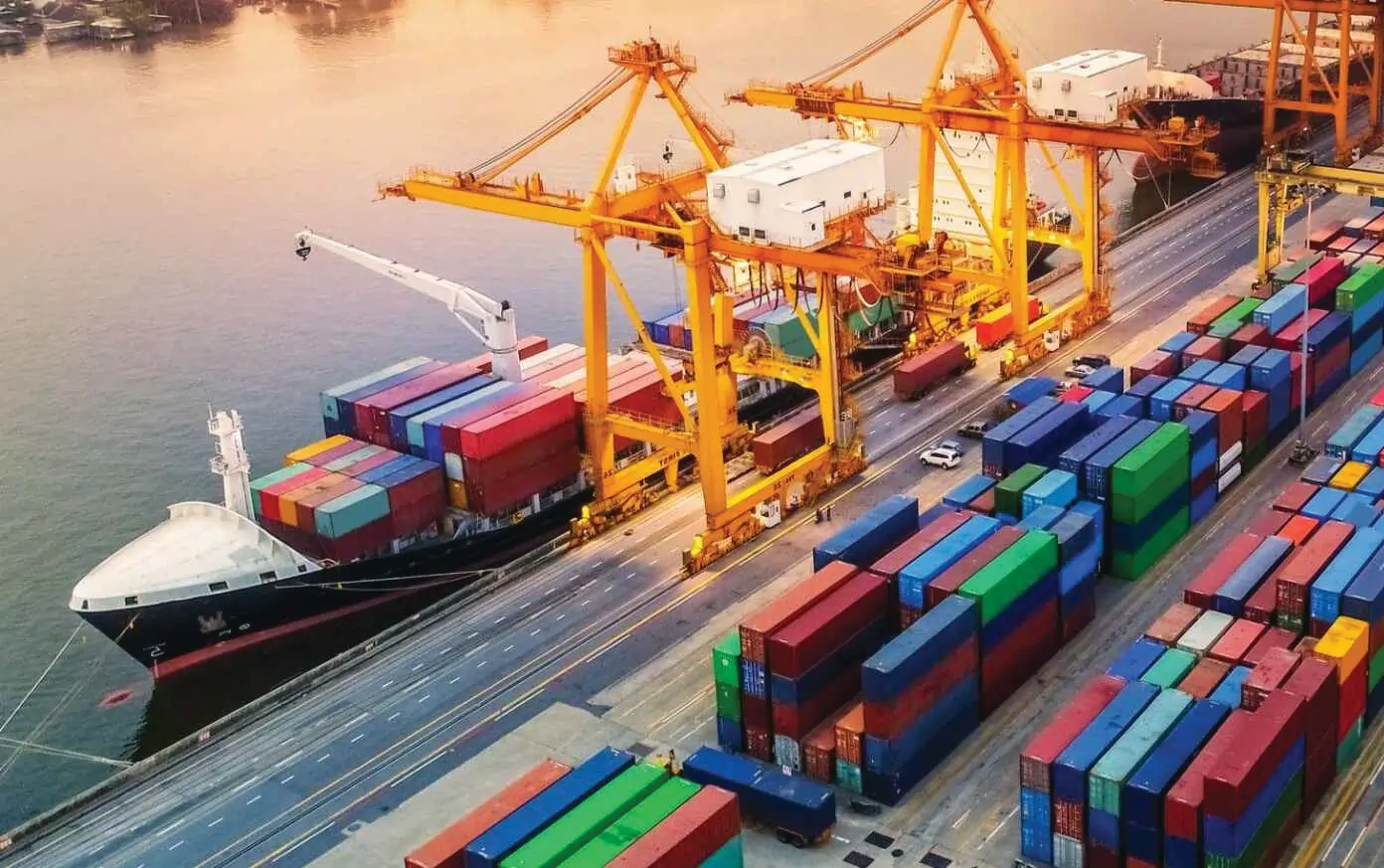
Trade agreements and regional connectivity have multiplied the UAE’s attractiveness. Comprehensive Economic Partnership Agreements (CEPAs) and trade facilitation accords have widened market access for UAE-based investors, enabling them to use the Emirates as a launchpad to Asia, Africa and Europe. Ports, airports and logistics corridors such as Jebel Ali, Khalifa Port and Dubai’s air freight network provide unrivalled speed and connectivity, a decisive factor when global companies choose where to locate manufacturing, distribution centres or regional headquarters.
Capital inflows have also benefited from the UAE’s efforts to align with international financial norms. The development of Abu Dhabi Global Market (ADGM) and the Dubai International Financial Centre (DIFC) as international financial hubs has increased the availability of advisory, banking and capital-markets services tailored for international investors. In parallel, the authorities have clarified corporate tax frameworks and implemented investor protections that reduce uncertainty for long-term investors.
What does this mean for entrepreneurs and foreign founders considering company formation in the UAE? First, the environment today is engineered to reduce time-to-market. Investors who launch greenfield projects find a faster pathway to operational readiness, from site selection and registration to licensing and visa processing. Free zones offer immediate infrastructure and services, whereas mainland options provide a bridge to local markets. Each pathway has trade-offs that should be matched carefully to the investor’s business model — export-oriented manufacturers often favour free zones, while service firms targeting UAE clients may prefer mainland licences or hybrid structures.
Second, the UAE’s FDI landscape is sector-specific. Priority sectors receiving the most attention and incentives include renewables and clean energy, electric vehicle supply-chains, semiconductors and advanced electronics, pharmaceuticals and biotech, logistics and e-commerce fulfilment, and digital technologies including AI and cloud services. Investors aligned with these sectors often find enhanced support, from expedited approvals to sector-specific subsidies and public-private partnership opportunities.
Third, finance and talent are increasingly available. The UAE’s international banks, venture capital funds and global corporate players have expanded their footprints, offering a richer ecosystem for funding and partnerships. Simultaneously, policies incentivizing skills development and talent attraction mean companies can recruit regional and global expertise, although competitive labour costs require thoughtful planning of staffing and compensation models.
Despite the positives, investors should not ignore practical considerations. Regulatory compliance, tax structuring for cross-border operations, intellectual property protections and localisation requirements for certain regulated activities must be navigated carefully. Local advisers with experience in company formation, banking, immigration and sector regulations add immense value in reducing risk and speeding execution.
The government’s forward roadmap further strengthens the case for new entrants. The National Investment Strategy — with clear objectives to raise annual FDI flows significantly by 2031 — is not merely aspirational. It is backed by investment facilitation measures, sectoral roadmaps and enhanced marketing campaigns aimed at attracting high-quality, job-creating investments. These initiatives promise more incentives, targeted infrastructure projects and regulatory fine-tuning to keep the UAE at the forefront of global investing.
In summary, the UAE’s rise as a global greenfield FDI magnet is real and durable. For founders and investors thinking about where to launch or expand, the Emirates offers a compelling blend of policy support, infrastructure, market access and financial services. While careful planning is required to align a business model with the right jurisdiction inside the UAE, the overall picture is clear: the country now offers one of the most favourable environments for greenfield investment anywhere in the world.